Dolby has once again raised the bar in home entertainment with the launch of Dolby Vision 2, its next-generation HDR technology that promises to unlock even more from today’s televisions. Unveiled at IFA Berlin, this upgraded format uses AI-driven tools and refined image processing to automatically deliver sharper visuals across films, sports, and gaming—no manual tweaking required.
What’s New in Dolby Vision 2?
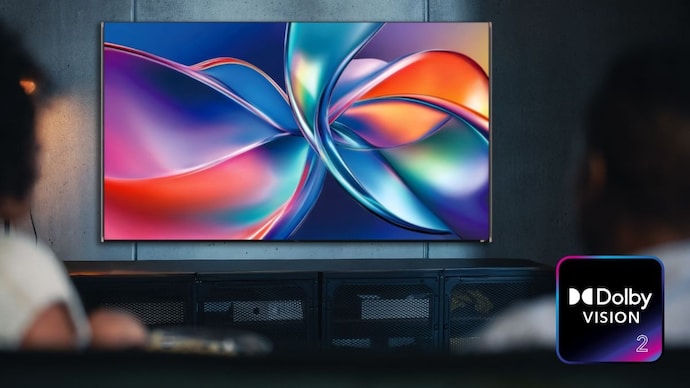
A Redesigned Image Engine
At the core of Dolby Vision 2 is a newly developed, more powerful image engine designed to maximize picture quality on modern TVs. This engine works with Dolby’s existing content library—encompassing movies, TV shows, sports broadcasts, and games—to bring visuals to life with enhanced brightness, contrast, and color depth.
Content Intelligence: Smarter, Adaptive Viewing
A standout feature of Dolby Vision 2 is its Content Intelligence, which uses AI to automatically optimize viewing based on both content type and environment. Key features include:
-
Precision Black: Enhances clarity in dark scenes without overshadowing artistic intent—solving a common complaint about HDR being “too dark.”
-
Light Sense: Adapts image tone based on ambient lighting in the room and reference lighting data from the content itself.
-
Sports & Gaming Optimization: Tailors the display by adjusting white points and motion control to ensure fast-moving sequences remain crisp and engaging.
Bi-Directional Tone Mapping
Dolby Vision 2 brings bi-directional tone mapping, letting creators fine-tune both brightness and contrast to suit the modern display’s capabilities—keeping the visual fidelity intact while utilizing the full brightness and color range of high-end TVs.
IrishBreadCompany.com | linkare.co
starlitcinemas.com | realrawnewstoday.net | famereelz.com
Authentic Motion: Cinematic Frame-by-Frame Quality
One of the most intriguing innovations is Authentic Motion, described as the industry’s first creative-driven motion control tool. This enables filmmakers to manage motion smoothness on a shot-by-shot basis, reducing unwanted judder or the “soap-opera effect” while maintaining a cinematic experience.
Two Tiers of Dolby Vision 2
To cater to a range of display technologies, Dolby is introducing two tiers:
-
Dolby Vision 2 Max: Tailored for premium TVs with advanced hardware—packed with all key features for a top-tier visual experience.
-
Dolby Vision 2 (Standard): Offers the powerful AI-driven engine and core enhancements suitable for mainstream TVs.
Both tiers ensure compatibility with the existing Dolby Vision content ecosystem, though only compatible TVs can take full advantage of the new metadata and features.
Who’s First: Equipment & Industry Adoption
Hisense Takes the Lead
Hisense is first to integrate Dolby Vision 2 into its TVs, specifically its RGB-MiniLED lineup, powered by the MediaTek Pentonic 800 chip featuring the MiraVision Pro PQ Engine—the first hardware to fully support Dolby Vision 2.
Media Partners & Future Rollout
CANAL+, the French media giant, has already signaled support—committing to rolling out its films, series, and live sports in Dolby Vision 2.
While Dolby Vision 2 is backward-compatible with older TVs (they’ll still play standard content), only TVs built with the right hardware will recognize and display the new features.
What Still Remains Unclear
Experts—especially in the home-cinema space—have raised a few pending questions:
-
TV Compatibility: Beyond Hisense, which other brands will offer Dolby Vision 2, and when? Specific TV models, prices, and availability remain undisclosed.
-
Backward Upgradability: Can existing high-end TVs support Dolby Vision 2 via firmware, or will new hardware always be necessary?
-
Technical Details: Dolby has yet to address how exactly features like Precision Black or Light Sense work under the hood.
-
Tier Distinctions: The company has not fully clarified the differences between Dolby Vision 2 and Vision 2 Max beyond “premium features.”
Final Thoughts: A Brighter Future for HDR
Dolby Vision 2 marks a transformative evolution—bringing smart, AI-powered enhancements to HDR viewing. Whether you’re watching dark movie scenes, cheering during live sports, or engaging in fast-paced gaming, Dolby’s new tools promise a consistent and cinematic experience.
Potential Highlights:
-
Better dark-scene clarity without loss of artistic detail.
-
AI-driven ambient adjustments for better picture quality in any room.
-
Enhanced performance for live and fast-action content.
-
Motion control that respects filmmakers’ vision.
-
A tiered rollout strategy accommodating both flagship and mainstream TVs.
Upcoming Watchpoints:
-
Expansion to major TV brands—anticipate wider adoption through 2026 and 2027.
-
Content providers pushing Dolby Vision 2 optimized titles.
-
Consumer demand for TVs with Pentonic 800 or equivalent support to access full features.
In short, Dolby Vision 2 isn’t just another HDR update—it’s a leap toward truly adaptive, creative, and intelligent visual performance. As hardware and content catch up, it might just redefine what we expect from home entertainment.