India’s aviation sector has been closely monitoring the mandatory Airbus-directed modifications for A320-family aircraft after a global software glitch prompted urgent upgrades across multiple airlines. In a major development, IndiGo — the world’s largest operator of A320 aircraft — announced that it has successfully completed the required system upgrade across its entire operational fleet. Meanwhile, Air India is in the final stages of finishing the same modifications, ensuring compliance and flight safety standards across its growing fleet.
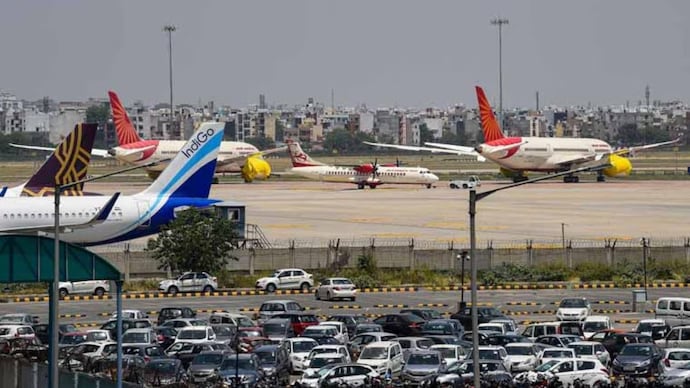
The development marks a significant milestone for Indian carriers, especially considering the operational complexities involved in retrofitting large fleets without flight disruptions.
Understanding the Airbus A320 System Glitch
Airbus recently issued a mandatory directive for its A320-family aircraft after detecting an anomaly in one of the aircraft’s flight system modules. While the glitch did not pose an immediate safety threat, Airbus instructed all operators to carry out software updates and minor system adjustments to prevent potential risks during rare flight scenarios.
The directive applied to all A320-family aircraft worldwide, including A320neo, A321neo, A319, and older ceo variants. For major carriers like IndiGo and Air India — both of which operate large, high-frequency A320 fleets — the challenge lay in completing the upgrade swiftly, safely, and without major flight disruptions.
shoppingnearstore.com | HomeSpheres.com | buythismore.com
newautotrends.com | letsplaysgame.com
IndiGo Completes Modifications Across 200 Aircraft
IndiGo confirmed that all 200 aircraft in its A320-family fleet have now undergone the required Airbus system upgrade. This achievement reflects not only technical efficiency but also the airline’s operational discipline, given its extensive daily schedule.
Operational Efficiency Without Disruptions
What stands out is IndiGo’s ability to execute this wide-scale upgrade without significant cancellations or widespread delays.
The airline credited:
-
Its engineering teams for the rapid coordination and execution
-
The operations control team for route planning that accommodated aircraft downtime
-
A strong supply-chain network ensuring the required components and software were available at the right time
For a carrier that operates more than 1,900 flights a day, ensuring that aircraft were grounded only for the minimum required time was crucial.
IndiGo’s approach involved a staggered upgrade schedule, where individual aircraft were temporarily removed from service for planned maintenance checks to incorporate the Airbus-directed modifications. This prevented large-scale disruptions and ensured fleet availability remained stable.
Air India Nears Completion of Fleet Upgrades
While IndiGo has completed the process, Air India is nearing the final phase of its own upgrades. With a smaller but diverse A320 fleet, Air India’s engineering teams have been working across multiple maintenance bases to complete the modifications on time.
The Tata-owned carrier released a statement that the vast majority of aircraft have already undergone the required system updates, and the remaining few are scheduled for maintenance in the coming days.
Why Air India’s Process Takes Slightly Longer
Air India’s fleet includes:
-
A320neo aircraft
-
A321 aircraft
-
Older A320 variants inherited from the pre-Tata era
This mix means the modification process may vary slightly from aircraft to aircraft, especially for older models requiring additional checks or part replacements.
However, officials reaffirmed that operations remain unaffected, and no major flight cancellations have occurred due to the ongoing upgrades.
Impact on Indian Aviation: A Smooth Transition
The Airbus directive affected multiple airlines globally. Some carriers had to temporarily ground aircraft or adjust schedules due to fleet sizes, technical limitations, or spare part availability.
In contrast, Indian carriers — particularly IndiGo and Air India — have been lauded for handling the upgrade efficiently.
Why India Managed the Upgrade Better
Several factors contributed to smoother execution:
-
High engineering capability at major Indian maintenance bases
-
Robust planning by airline operations teams
-
Large maintenance windows, especially for overnight checks
-
Close coordination with Airbus support teams
As a result, Indian flyers faced minimal inconvenience during the upgrade period.
Safety First: Why These Upgrades Matter
Though Airbus clarified that the software glitch was rare and not an active flight risk, aviation safety protocols demand immediate corrective action even for low-probability technical anomalies.
The goal of the upgrade was:
-
To improve system stability
-
To ensure consistency across all A320-family aircraft
-
To incorporate predictive safeguards against unlikely scenarios
For passengers, this reinforces the industry’s commitment to safety and preventive engineering.
IndiGo and Air India: Strengthening Reliability Credibility
For IndiGo, completing the entire upgrade ahead of several international carriers showcases its operational maturity. The airline’s reputation for punctuality and fleet reliability has been a core factor in its dominance, and this achievement further strengthens that image.
Air India, now undergoing a full-scale transformation under Tata Group, also benefits from the timely completion of this directive. Efficient maintenance management helps the airline build credibility, especially as it expands its fleet and prepares for a new era with hundreds of aircraft on order.
Broader Industry Lessons
The incident highlights how airlines must continuously maintain readiness for technical updates, regulatory compliance, and operational disruptions. The coordination required between manufacturers, engineering teams, and aviation regulators is immense and essential to maintaining the highest safety standards.
Key takeaways for the industry include:
-
Importance of flexible scheduling to accommodate mandatory upgrades
-
Need for modern maintenance infrastructure across airports
-
Advantages of proactive communication between airlines and manufacturers
-
Value of large engineering teams trained for rapid technical implementation
For passengers, it showcases the invisible yet crucial work that goes into ensuring aircraft safety and reliability on every flight.
Conclusion
With IndiGo completing all mandatory A320-family modifications and Air India nearing completion, India’s major airlines have successfully navigated a significant technical challenge issued by Airbus. Their ability to upgrade fleets without disrupting operations demonstrates strong engineering capability, operational planning, and commitment to safety.
As both carriers continue expanding their operations and integrating new aircraft, this coordinated technical achievement sets a solid foundation for future reliability and passenger confidence.