In a major breakthrough in the ongoing probe into the Red Fort blast case, investigative agencies have released the first image of Dr. Mohammad Umar, a suspected terrorist linked to the Faridabad terror module. According to official sources, Umar was working as a doctor at Al Falah Medical College in Faridabad, Haryana, before being identified as a key suspect in the case.
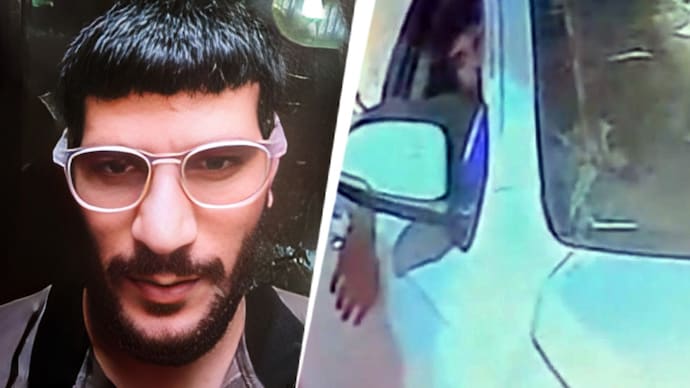
Authorities believe that Umar’s arrest could provide crucial leads in unraveling the larger network behind the planned terror operations, which reportedly have connections extending beyond India’s borders.
Who Is Dr. Mohammad Umar?
Dr. Mohammad Umar, as per preliminary information, is a medical professional turned terror suspect who had been living and working in Faridabad. He was reportedly employed at Al Falah Medical College, a private institution in the city.
Investigators have revealed that Umar is allegedly a close associate of Dr. Adeel Ahmad Rather, a former senior resident doctor at Government Medical College (GMC), Anantnag. Rather was arrested last week after being linked to the same terror module. His arrest provided critical information that led agencies to Umar’s location.
Both men, according to officials, were well-educated professionals who had completed medical degrees but were allegedly radicalized and drawn into terror-linked activities over time.
movevacations.com | sugarlanedesign.com | autofixteam.com
secureautoin.com | gotickettravel.com
The Connection Between Rather and Umar
According to intelligence inputs, Adeel Ahmad Rather’s interrogation was a turning point in the case. Rather reportedly disclosed details of several individuals associated with him in different states, including Mohammad Umar in Faridabad.
Acting swiftly on these leads, a joint operation was conducted by central and state security agencies on Monday in Faridabad. The raid resulted in the recovery of incriminating documents, digital devices, and other materials that may establish a direct link to terror financing and planning activities.
Sources indicate that Umar and Rather had been in communication for months and were allegedly coordinating with handlers outside India. Their backgrounds as medical professionals allowed them to move relatively unnoticed, which investigators believe was part of the module’s strategy to avoid detection.
The Faridabad Raid
On Monday, a team of National Investigation Agency (NIA) and Haryana Police raided a residential area in Faridabad following actionable intelligence. During the operation, Dr. Umar’s residence and workplace were searched, leading to the seizure of several digital storage devices, mobile phones, and documents suspected to contain coded communication.
Authorities have not yet confirmed whether Umar has been formally arrested, but officials state that he is under intense questioning. His role in the larger module, particularly regarding the Red Fort blast conspiracy, is being investigated.
The NIA is also verifying whether Umar had any direct operational role or acted as a facilitator, given his medical profession and possible access to funds and contacts.
Red Fort Blast Investigation
The Red Fort blast case has remained a top priority for security agencies due to its high-profile nature and symbolic significance. The historic monument, located in the heart of Delhi, is a national heritage site and has tight security due to its political and cultural importance.
Recent intelligence inputs suggested renewed attempts by foreign-based terror handlers to reactivate sleeper cells in Delhi-NCR, with specific focus on individuals with professional backgrounds who could operate discreetly.
Investigators are exploring whether Umar’s network in Faridabad was part of a larger effort to establish logistical and recruitment support for potential terror activities in northern India.
Professional Background and Cover Identity
Dr. Umar’s employment at Al Falah Medical College initially allowed him to maintain a low profile. Colleagues described him as quiet and academically focused, which helped conceal his alleged ties with extremist elements.
Security sources said that the use of educated professionals in such modules reflects a shift in terror group recruitment patterns. By involving individuals from respected professions like medicine and engineering, these groups aim to reduce suspicion and improve their operational cover.
Investigators are now checking whether Umar used his professional status or access to resources to aid any logistics, funding, or communication efforts linked to the module’s activities.
Network Under Scrutiny
Following Umar’s identification, agencies are widening their probe to include his acquaintances and students at the college. They are also tracking digital trails to determine whether encrypted apps or social media channels were used for communication with handlers or fellow operatives.
Authorities have also sought details of his financial transactions, recent travel history, and academic records. Early findings suggest that Umar maintained a modest lifestyle in Faridabad and may have received support from external sources to sustain the group’s activities.
Adeel Ahmad Rather’s Role
Dr. Adeel Ahmad Rather, who was arrested earlier from Jammu and Kashmir, is believed to be one of the masterminds coordinating the Faridabad module’s activities. His interrogation provided the initial breakthrough that led to Umar.
Sources suggest that Rather had been under surveillance for months and that intelligence agencies had intercepted suspicious communications between him and individuals based abroad. His arrest, along with Umar’s identification, indicates that the network was more extensive than initially believed.
Both doctors reportedly shared ideological similarities and were allegedly working toward radical objectives under instructions from foreign-based handlers.
National Security Implications
The discovery of a terror module operating within an urban and academic environment has raised serious concerns for security agencies. Faridabad, being part of the National Capital Region (NCR), lies in close proximity to Delhi, making it a strategically sensitive area.
Officials believe that modules like these are designed to exploit the region’s dense population, academic hubs, and professional communities to conceal subversive activities. The case underscores the growing challenge of identifying radicalized individuals within professional circles.
Agencies are now strengthening surveillance in NCR and adjoining states, focusing on potential recruitment and communication channels being used to target young professionals.
Public and Institutional Response
Following the news of Umar’s involvement, the administration at Al Falah Medical College has reportedly begun cooperating fully with investigative authorities. The college has expressed shock at the revelation and assured that it will assist in the inquiry in every possible way.
Meanwhile, security has been tightened in and around the campus, and students have been advised not to speculate or share unverified information online.
Public reaction to the news has been a mix of concern and disbelief, with many pointing out how radical elements continue to find new ways to infiltrate peaceful, educated communities.
The Road Ahead
As investigations progress, authorities are expected to formally charge Dr. Mohammad Umar under relevant sections of anti-terror laws once sufficient evidence is compiled. The National Investigation Agency, along with other intelligence units, is preparing a detailed dossier that may reveal further names connected to the network.
The agencies are also coordinating with international counterparts to trace digital footprints and cross-border communication related to the case.
Security analysts believe that this case could become a significant milestone in India’s counterterrorism efforts, particularly in understanding how terror groups attempt to embed operatives within professional and academic ecosystems.
Conclusion
The emergence of Dr. Mohammad Umar’s image and identity as a suspect in the Red Fort blast probe has added a new dimension to India’s ongoing battle against terrorism. His profile as a doctor from Faridabad highlights the evolving nature of terror networks — more discreet, educated, and integrated within society.
With each development, investigators move closer to uncovering the full scale of this operation. As the nation watches closely, the case serves as a stark reminder that vigilance, intelligence cooperation, and timely action remain the strongest tools in safeguarding national security.